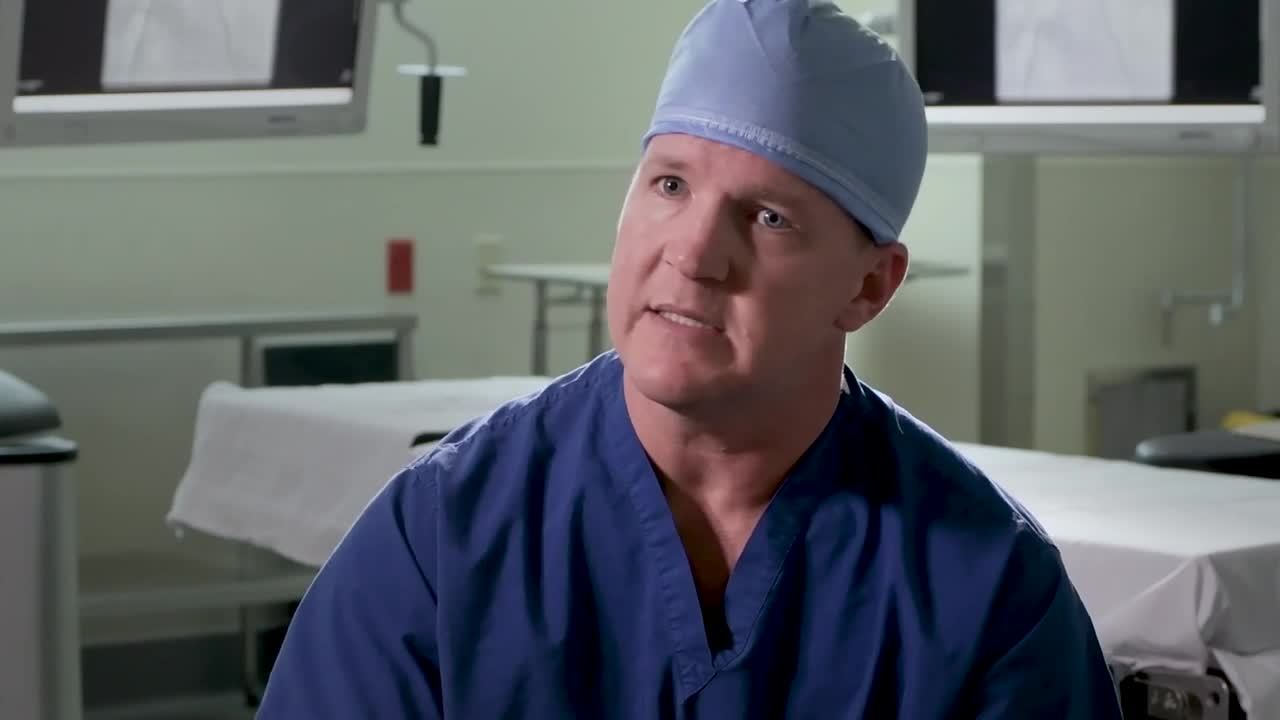

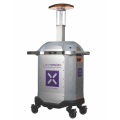
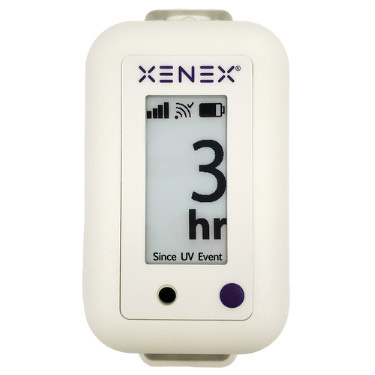

Hospitals face relentless environmental challenges from pathogens that persist on surfaces—even after liquid chemical cleaning. In the fight against pathogen transmission, human error is inevitable, and traditional methods often leave gaps. That’s why Whole Room Microbial Reduction devices, backed by actionable metrics like the FDA authorized LightStrike+™, are transforming hospital infection prevention strategies nationwide.
Facing Cleaning Challenges Head-On
Every healthcare facility grapples with operational hurdles:
- Was every surface truly disinfected?
- Were the right products used at the right time?
- Can the cleaning protocol reliably reduce pathogen transmission?
Even with rigorous staff training, studies show that 20–40% of pathogen transmission events stem from surfaces that remain contaminated after chemical cleaning1. As resistant microorganisms rise and cleaning demands intensify, hospitals need reliable, measurable solutions that effectively bridge the gaps that manual processes miss.
Bringing LightStrike+ Into the Equation
LightStrike+, the only FDA-authorized Pulsed Xenon UV Whole Room Microbial Reduction device, provides a significant step forward in microbial reduction consistency. Each completed cycle reduces surface pathogens by at least 99%, going beyond what traditional cleaning protocols alone can achieve.
After evaluating over 44 million LightStrike robot cycles, the data shows that higher robot utilization correlates with notable declines in transmission risk, yielding both clinical and financial benefits. Higher utilization contributes to fewer pathogen transmission events, reduced costs, and hospitals that communicate their enhanced cleaning efforts to patients have seen increased HCAHPS cleanliness scores.
Metrics Are the Language of Leadership
For EVS and infection prevention teams advocating for new technology, metrics are critical. They demonstrate program impact, identify areas for improvement, and translate daily diligence into operational outcomes that executives understand. Key metrics include:
- SOP compliance rates
- Rooms treated—by unit, department, type, cycle
- Utilization rates—more cycles equal greater risk reduction and savings
- Baseline data before and after 12 months of implementation:
- Length of stay
- Rates for pathogens in units where the robots are used
- Antibiotics prescribed
Hospitals achieving over 80% SOP compliance report measurably superior reductions in transmission events. Reporting dashboards from Xenex make it easy to monitor trends, highlight missed opportunities, and set benchmarks for success.
Collaboration Drives Success
Effective programs rely on cross-departmental teamwork:
- Infection Prevention, Environmental Services (EVS), and Nursing must align goals, communicate openly, and commit to continuous improvement.
Shared responsibility guides meaningful change and actionable metrics so everyone has a stake in the outcome. Strong reporting and collaboration also contribute to higher HCAHPS cleanliness scores, shorter patient stays, reduced antibiotic use, and lower readmission rates. When all teams pull together, the impact is exponentially increased.
Making the Case With Proven Outcomes
Data-backed advocacy transforms microbial reduction technology from a “nice to have” into an operational necessity. Measurable reductions in pathogen transmission translate into sustainable ROI and clinical excellence—building the executive support needed to expand and elevate your hospital’s patient care initiatives.
Xenex: Your Partner for Impact
Beyond providing industry-leading technology, Xenex offers scientific support, reporting guidance, and implementation resources at every step. Whether your goal is launching, expanding, or optimizing your fleet, Xenex is committed to helping you deliver results that matter.
Empower your teams with smarter technology and measurable results. When you speak the language of metrics, your impact becomes visible—and your hospital’s infection prevention mission unstoppable.
Citations:
Understanding the significance of microbiota recovered from health care surfaces Jinadatha, Chetan et al. American Journal of Infection Control, Volume 52, Issue 2, 220 – 224